Birds of Prey
Even though they are not closely related, I have included hawks, harriers, vultures, and owls in this category. They are all birds of prey (raptors) and Kaufman includes them in his book "Field Guide to Birds of North American".
Eagles and allies
Eagles and Osprey have long, wide, rounded wings for soaring.
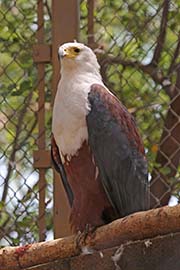
African Fish Eagle |
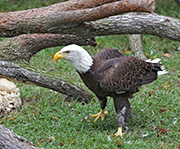
Bald Eagle |
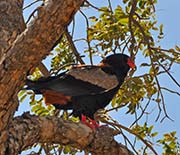
Bateleur |
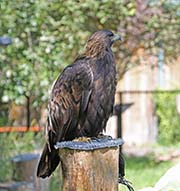
Golden Eagle |
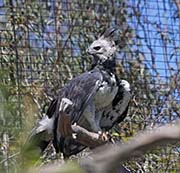
Harpy Eagle |
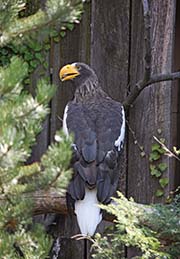
Steller's Sea Eagle |
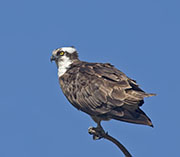
Osprey |
Hawk-eagles
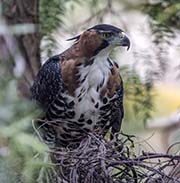
Ornate Hawk-eagle |
Kites
North American kites are not closely related. They do hover.
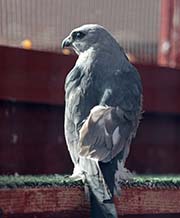
Mississippi Kite |
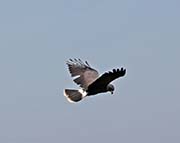
Snail Kite |
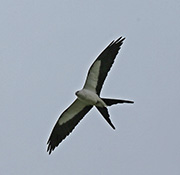
Swallow-tailed Kite |
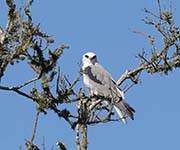
White-tailed Kite |
Accipiters
Accipiters have short broad wings and long tails which gives them movability. They primarily catch/eat other birds.
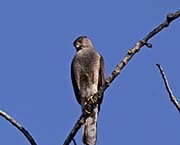
Cooper's Hawk |
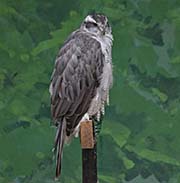
Northern Goshawk |
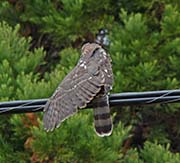
Sharp-shinned Hawk |
Buteo and Buteo-like Hawks
Buteos and buteo-like birds have long, wide, rounded wings. This give them the ability to soar.
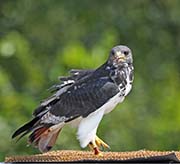
Augur Buzzard |
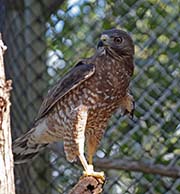
Broad-winged Hawk |
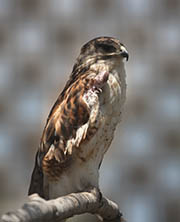
Ferruginous Hawk |
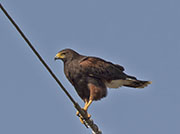
Harris's Hawk |
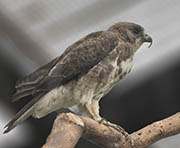
Hawaiian Hawk |
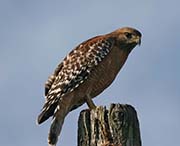
Red-shouldered Hawk |
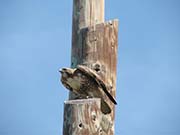
Red-tailed Hawk |
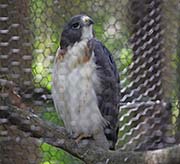
Short-tailed Hawk |
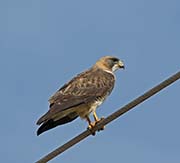
Swainson's Hawk |
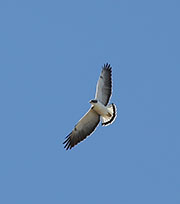
White-tailed Hawk |
Harriers
Harriers facial discs help them focus the sounds of rodents. Females are larger than the males and have different coloration than the males.
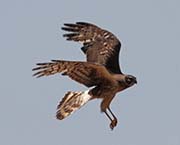
Northern Harrier |
Caracaras
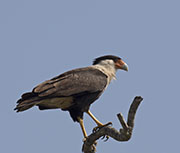
Crested Caracara |
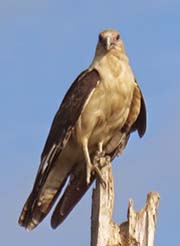
Yellow-headed Caracara |
Falcons
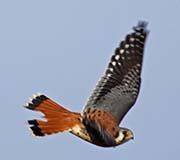
American Kestrel |
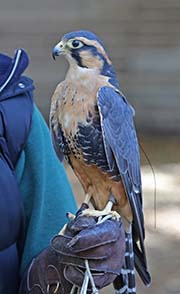
Aplomado Falcon |
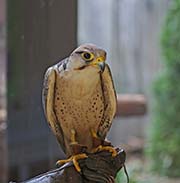
Lanner Falcon |
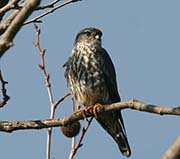
Merlin |
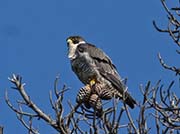
Peregrine Falcon |
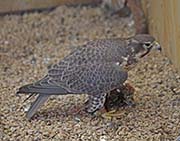
Prairie Falcon |
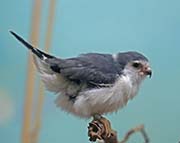
Pygmy Falcon |
Secretarybird
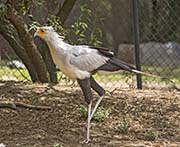
Secretarybird |